Hand Deformity Correction
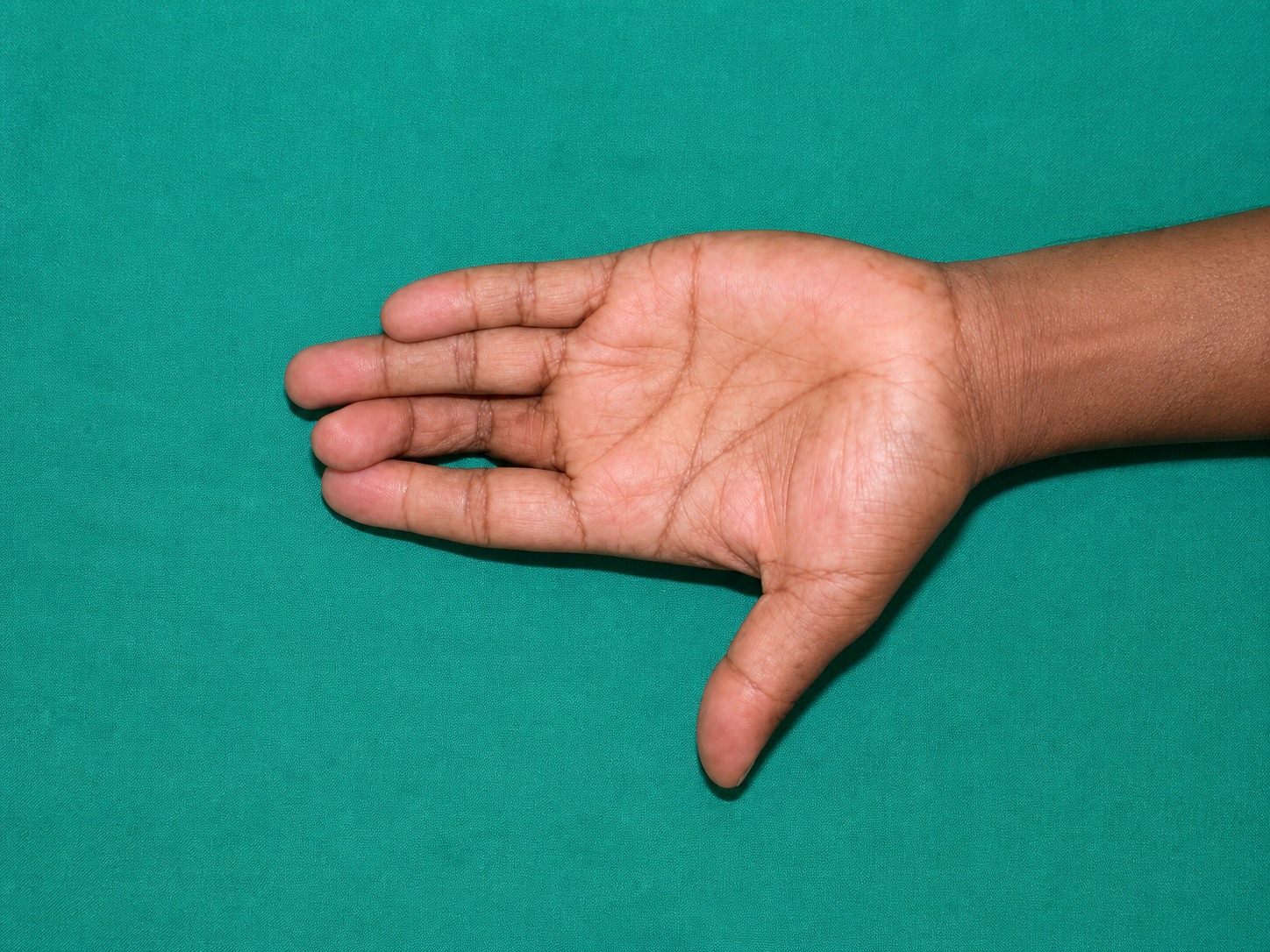
Hand deformities can affect both the appearance and function of the hand, making everyday activities difficult. These deformities may be present from birth (congenital) or develop later due to trauma, arthritis, nerve injuries, or other conditions.
Correction is aimed at restoring alignment, improving movement, reducing pain, and enhancing overall hand function.
- Post-traumatic deformities (malunited fractures, stiffness)
- Arthritic deformities of the fingers or thumb
- Tendon or nerve-related deformities
- Congenital hand differences
Surgical techniques used:
Restores movement by repairing or reconstructing damaged tendons.
Includes joint preservation, fusion (arthrodesis), or replacement to improve stability and reduce pain.
Bones are carefully reshaped or repositioned to correct alignment and improve function.
Skin, muscle, or other tissues may be reconstructed using grafts or flaps to restore coverage and mobility.
Used for precise repair of nerves and blood vessels, especially in complex deformities.
Each deformity is unique. Treatment is tailored based on the cause, severity, functional limitations, and patient goals—balancing both functional improvement and cosmetic outcome.
Recovery depends on the complexity of the procedure. Structured physiotherapy and hand therapy play a crucial role in regaining movement, strength, and coordination.
These procedures are generally safe when performed with appropriate planning and technique. Potential risks such as infection, stiffness, or delayed healing are uncommon and are managed with careful follow-up.
If you notice deformity, difficulty in hand function, or progressive changes in finger alignment, early evaluation can help prevent worsening and improve outcomes.
Consult the doctor for a detailed assessment and personalized treatment plan.