Microsurgery
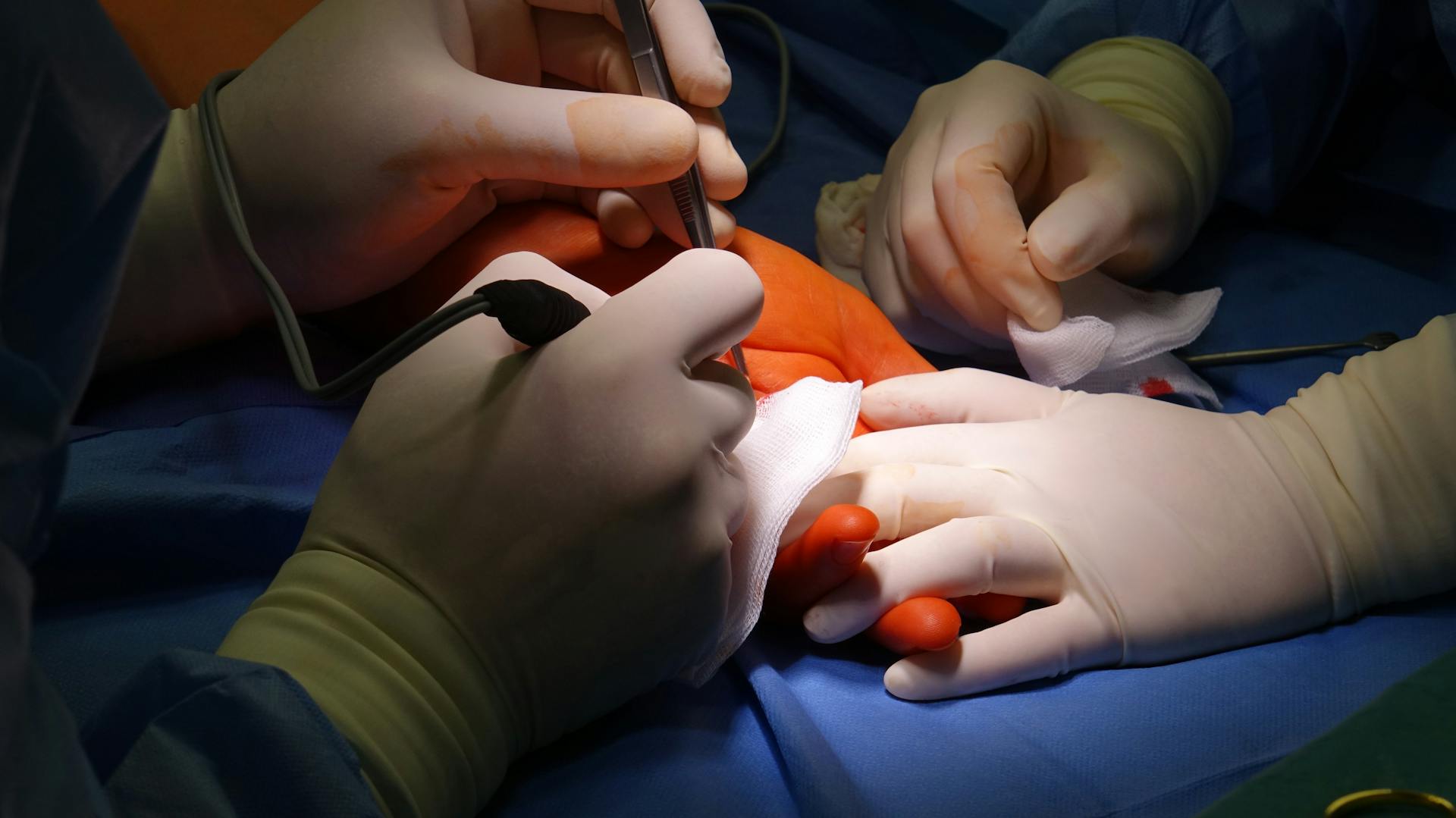
Microsurgery is an advanced surgical technique used to repair extremely small and delicate structures such as blood vessels, nerves, and soft tissues. Using high-powered operating microscopes and precision instruments, procedures are performed with exceptional accuracy—often on structures less than a millimeter in size.
In hand surgery, microsurgery plays a critical role in restoring function, sensation, and circulation after complex injuries.
Common microsurgical procedures include:
Reattachment of amputated fingers or hand parts by carefully reconnecting blood vessels, nerves, tendons, and bones to restore viability and function.
Repair of injured nerves to improve sensation and muscle function, using fine sutures under magnification.
Restoring blood flow in severely injured or crushed fingers and hands where circulation has been compromised.
Transfer of tissue (skin, muscle, or bone) from one area to another to cover complex wounds and restore form and function.
Microsurgical techniques to improve lymphatic drainage and reduce chronic swelling when indicated.
Microsurgery requires a high level of expertise and meticulous technique. When performed early and appropriately, it can significantly improve functional recovery and help salvage injured limbs or digits.
These procedures may be performed under regional or general anesthesia, depending on the complexity. Recovery varies based on the injury and procedure, and often includes structured rehabilitation to optimize outcomes.
Severe hand injuries, deep cuts, loss of sensation, or compromised blood flow require urgent evaluation. Early microsurgical intervention can be critical in preserving function.
Consult the doctor promptly for expert assessment and advanced microsurgical care.