Joint Replacement Surgery
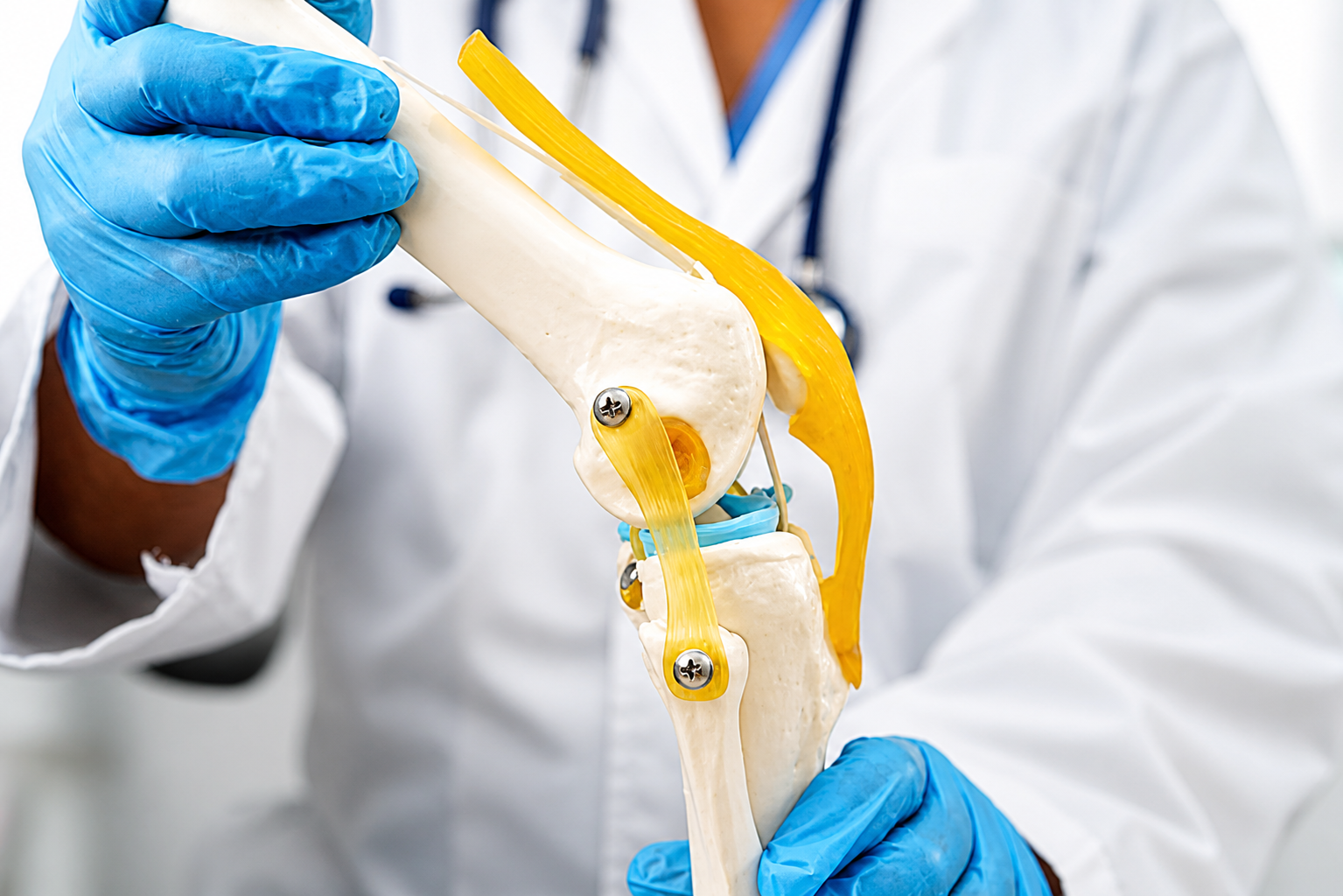
Joint replacement in the hand and wrist is a specialized procedure used to relieve pain and restore movement in joints damaged by arthritis or injury. It is most commonly performed in the finger joints and at the base of the thumb, where joint wear can significantly affect daily activities.
This procedure is considered when persistent pain, stiffness, and reduced function do not improve with non-surgical treatments such as medication, splinting, or physiotherapy.
- Osteoarthritis (wear-and-tear arthritis)
- Rheumatoid arthritis
- Post-traumatic arthritis
The damaged joint surfaces are carefully removed and replaced with an artificial implant made of metal, ceramic, or medical-grade polymer. The goal is to preserve movement, reduce pain, and improve hand function.
Depending on the joint and condition, alternatives such as joint fusion (arthrodesis) may also be considered to provide stability and pain relief.
- Significant pain relief
- Improved range of motion
- Better hand function for daily activities
- Enhanced quality of life
Recovery involves a structured rehabilitation program, including hand therapy to restore strength, flexibility, and coordination. Outcomes depend on the joint involved and the underlying condition, but most patients experience meaningful functional improvement.
The choice between joint replacement and other surgical options depends on multiple factors, including age, activity level, joint involved, and functional goals.
If you have persistent joint pain, stiffness, or difficulty using your fingers or thumb, early evaluation can help determine the most appropriate treatment.
Consult the doctor to explore the best surgical and non-surgical options for your condition.